SmartArt
SmartArt is a built-in feature in Microsoft PowerPoint (and other Office applications) that converts text and data into visual diagrams — such as process flows, hierarchies, cycles, and relationship maps — with a single click. SmartArt removes the need to manually draw and align shapes, making it easy to create professional-looking visuals quickly. It is particularly useful for illustrating organizational structures, project workflows, and strategic frameworks in presentations.
Learn more
Horizontal Communication
Horizontal communication flows between people at the same level within an organization — for example, between colleagues in the same department or team leaders across different departments. It facilitates coordination, knowledge sharing, and collaborative problem-solving without the need for information to travel up and down the hierarchy. Effective horizontal communication reduces bottlenecks, breaks down silos, and is essential for cross-functional project work and agile organizational structures.
Learn more
Hybrid Event
A hybrid event is an event that combines an in-person component with a simultaneous virtual component, allowing both on-site and remote participants to attend. The challenge of hybrid events is delivering a consistent, engaging experience for both audiences at the same time. Hybrid events require careful technical setup — including streaming infrastructure, engagement tools, and moderation — and have grown significantly as remote participation became standard in corporate and conference settings.
Learn more
Audience Dynamics
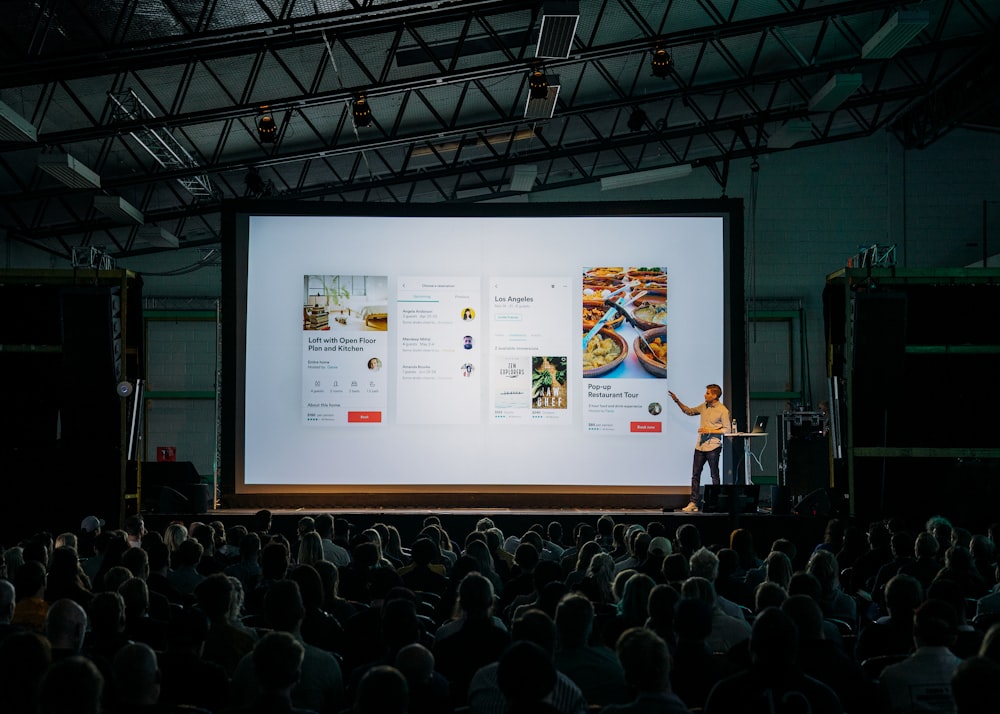
Audience dynamics refers to the behavioral and social patterns that emerge within a group of listeners during a presentation or event. This includes how energy, attention, engagement, and mood shift over time — and how individual participants influence the group. Understanding audience dynamics helps presenters adapt their pacing, tone, and content in real time. Factors such as group size, seating arrangements, time of day, and topic familiarity all affect the dynamic of a given audience.
Learn more