B2C Events
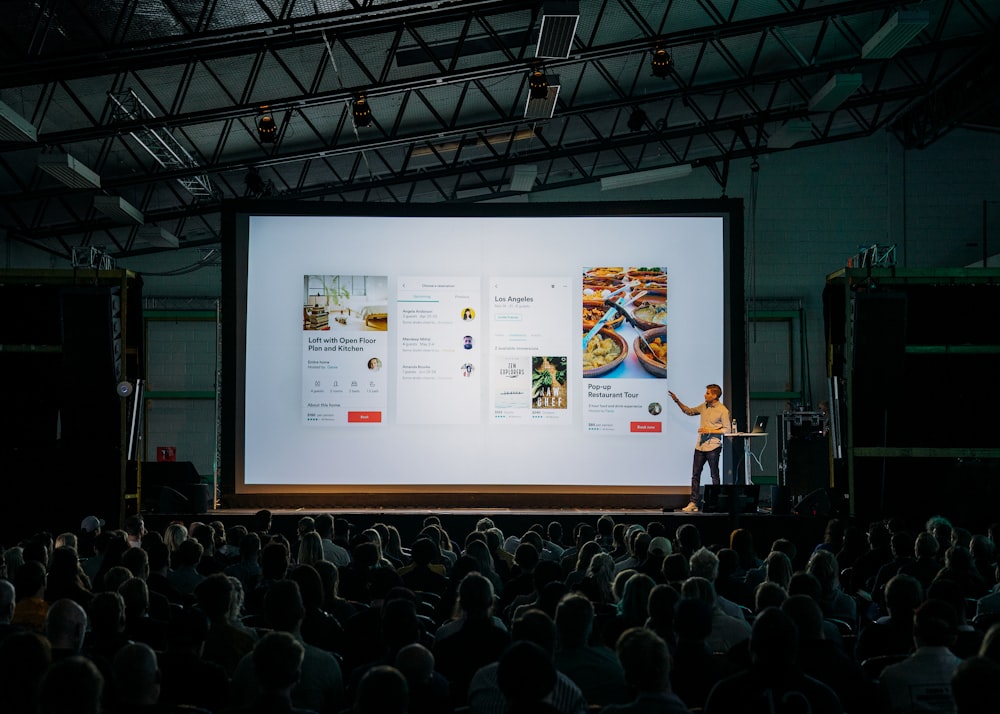
B2C events (business-to-consumer events) are organized experiences designed to engage end consumers directly — such as product launches, brand activations, pop-up experiences, festivals, or public demonstrations. Unlike B2B events, B2C events prioritize emotional connection, entertainment, and brand perception over formal knowledge exchange. They are used to build brand awareness, drive purchase consideration, and create memorable experiences that consumers associate with a product or brand.
Learn more
Horizontal Communication
Horizontal communication flows between people at the same level within an organization — for example, between colleagues in the same department or team leaders across different departments. It facilitates coordination, knowledge sharing, and collaborative problem-solving without the need for information to travel up and down the hierarchy. Effective horizontal communication reduces bottlenecks, breaks down silos, and is essential for cross-functional project work and agile organizational structures.
Learn more
Interpersonal communication
Interpersonal communication refers to the exchange of information, meaning, and feeling between two or more people. It encompasses verbal and non-verbal signals and shapes relationships in both personal and professional contexts. Effective interpersonal communication involves active listening, empathy, clear expression, and the ability to read and respond to social cues. It forms the foundation of teamwork, leadership, customer relationships, and all forms of collaborative work.
Learn more
Panel Discussion
A panel discussion is a moderated conversation between a group of experts or representatives on a shared topic, typically conducted in front of an audience. Each panelist contributes their perspective, and the moderator guides the discussion to ensure balance, depth, and relevance. Panel discussions are common at conferences, industry events, and academic forums. They offer audiences insight into diverse viewpoints and create a more dynamic, conversational alternative to traditional keynote presentations.
Learn more