AI Orchestration
AI orchestration is the coordination of multiple AI agents, tools, and data sources to complete a complex, multi-step workflow. An orchestration layer acts as a conductor: it decides which agent handles which task, in what order, and how outputs are passed between steps — following the same logic as an orchestrator agent. In enterprise communication, AI orchestration enables end-to-end automation — gathering data, structuring content, applying brand guidelines, and publishing a final presentation — all without human handoffs between each stage.
Learn more
Informative Presentations
An informative presentation is designed to educate the audience about a specific topic, concept, or set of facts. The goal is to transfer knowledge clearly and accurately, without persuading or selling. Informative presentations are common in academic settings, corporate briefings, technical training, and media briefings. They rely on well-structured content, clear visuals, and objective language to ensure the audience walks away with a solid, accurate understanding.
Learn more
Body language
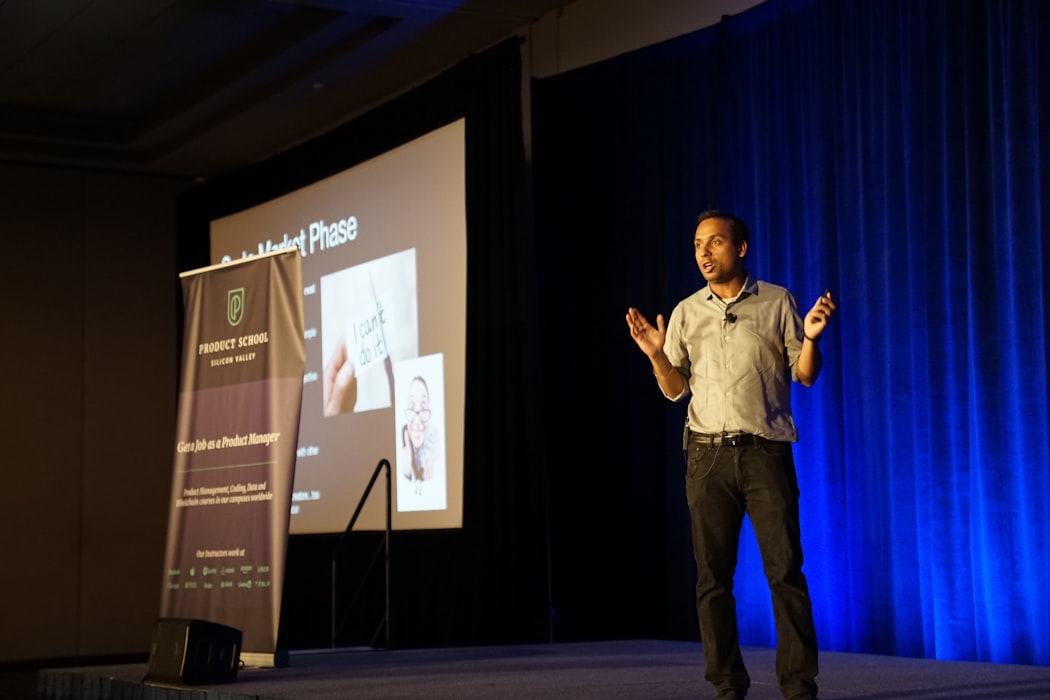
Body language is the non-verbal information communicated through physical gestures, posture, facial expressions, eye contact, and movement. In presentations and public speaking, body language plays a critical role in how the speaker's confidence, credibility, and emotional state are perceived. Open posture, deliberate gestures, and sustained eye contact signal confidence and engagement, while crossed arms, fidgeting, and avoiding eye contact can suggest nervousness or disinterest. Presenters who master their body language are generally more persuasive and trustworthy.
Learn more
Slide transitions
Slide transitions are visual effects that play when moving from one slide to the next during a PowerPoint presentation. They range from simple fades and cuts to more elaborate animations like wipes, pushes, and morph effects. Used thoughtfully, transitions can reinforce the flow of a narrative and add polish to a presentation. Overusing dramatic transitions, however, can distract from the content. Consistency — using the same transition style throughout — is generally recommended for professional presentations.
Learn more